
What Are Biomass Pellets?
Advantages of Pellets for Industrial Use
3.1 Eco-Friendly & Renewable Fuel Source
3.2 Low Emissions & Cleaner Combustion
3.3 High Energy Efficiency
3.4 Cost-Effective Fuel for Industries
3.5 Consistent Quality & Wide Availability
3.6 Easy Handling, Storage & Transportation
3.7 Perfect for Industrial Heating Applications
Pellet Fuel vs Traditional Fuels (Coal, Diesel, LPG)
Why Indian Industries Are Switching to Pellet Fuel
Conclusion: A Smarter, Cleaner, Cost-Saving Energy Choice
Biomass pellets—whether wood pellets or agro-waste pellets—are becoming one of the most popular clean-energy fuels across industries. From boilers to furnaces and hot air generators, pellet fuel is replacing traditional fuels like coal, diesel, and LPG because of its efficiency, low emissions, and affordability.
But what exactly makes pellets so beneficial?
Let’s explore the top advantages of biomass pellets and why industries in India are switching to this sustainable option.
One of the biggest advantages of pellets is that they are made from natural agricultural and wood residues. This makes them a renewable biomass energy source.
Why this matters:
If you want a clean-burning fuel with minimal environmental impact, biomass pellets are the best option.
Pellets burn much cleaner than traditional fuels. Industries choose them because:
Using pellet fuel supports green manufacturing and helps industries follow pollution control norms.
Another major pellet fuel advantage is its high heating value.
Pellets have:
This means pellets create more heat using less fuel, making them ideal for:
This is why many companies prefer pellet burners over diesel or LPG burners.
If you compare pellet fuel vs coal, diesel, or LPG, pellets are much cheaper and more stable in price.
Cost benefits include:
Industries often save 30%–60% monthly by switching to biomass pellets, making them a cost-effective pellet fuel choice.
Pellets are machine-processed and standardized, so their quality stays consistent.
You get:
Pellets are widely available across India, making them a reliable long-term heating fuel.
Compared to loose biomass, pellets are:
This reduces labor costs and improves operational efficiency.
Industries prefer biomass pellets because they are compatible with:
Whether you are in food processing, textiles, metal industries, chemical production, hotels, or agriculture, pellets offer better performance and lower running costs.
The benefits of biomass pellets are clear — they are eco-friendly, cost-effective, energy-efficient, and highly reliable. With clean-burning, renewable energy and low-emission performance, pellet fuel is becoming the top choice for industries across India.
If you are planning to shift from traditional fuels to a cleaner and more economical option, biomass pellets are the best solution.
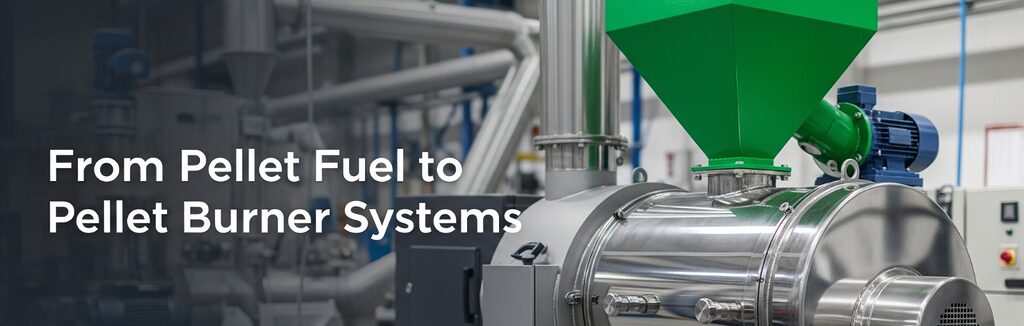
Table of Contents Introduction Pellet Fuel Overview Pellet Burner Systems…
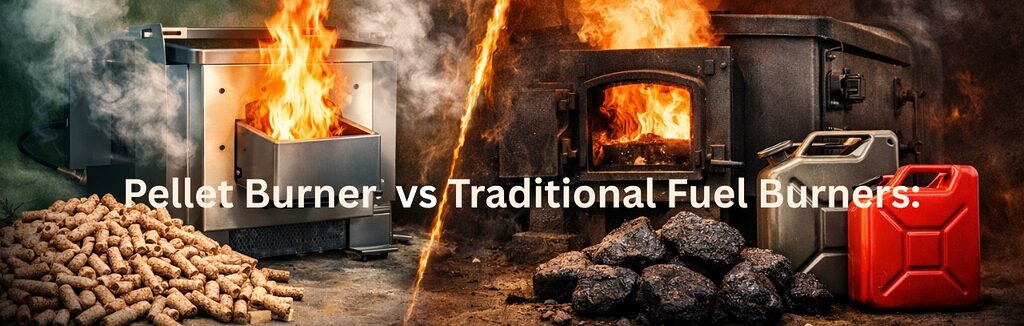
Table of Contents What Are Pellet Burners? What Are Traditional…
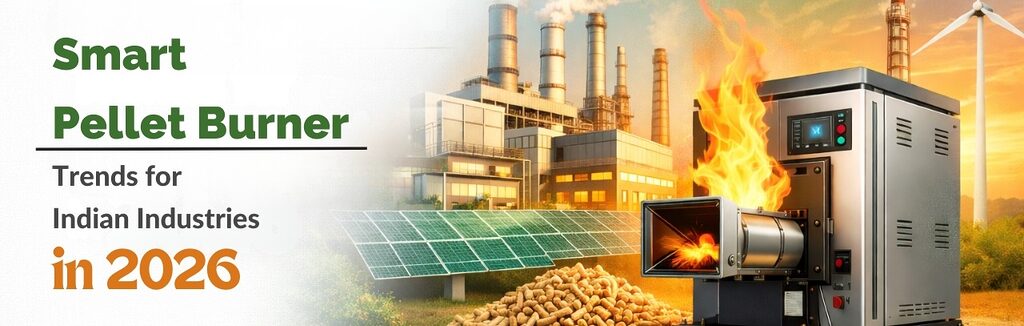
Table of Contents Introduction Smart Pellet Burners Explained Why Indian…
Find Clear and Helpful Answers to the Most Common Questions
Haryana
Yamuna Nagar-135001.
Karnataka
Bengaluru (Bangalore)-561203
Gujarat
Survey No 477, Tapar Ajapar Road Ajapar Kutch
Uttar Pradesh
Laharpur, Nabi Nagar Sitapur-261135
West Bengal
Bara Haripur Bangshihari Dakshin Dinapur-733121
Assam
Village – Dhansirikash,
P.O. – Shyamtila, P.S.-Dhula, Darrang,
Assam-78414
Plot number 22 khasra number 143 ground floor gali number 2 Kanjhawala industrial area delhi 110081
fireindustrialequipment@gmail.com
+91-9871484662
WhatsApp us